
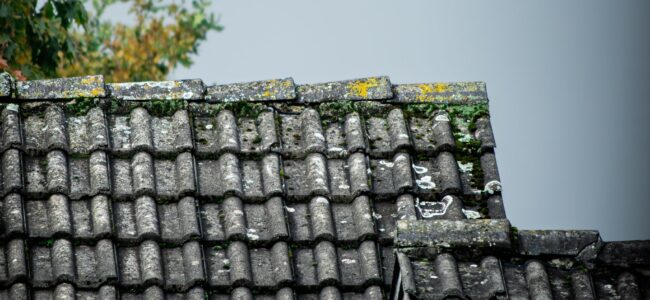
Two identical semis sit side by side. One has a roof streaked green with moss, its ridge line sagging and its tiles a patchwork of mismatched repairs. The other wears a clean, even covering that catches the light. The brickwork, the windows, the gardens are near enough the same. Yet anyone walking past reads the two houses completely differently, and so does anyone pricing them.
The roof buyers notice before they knock
A buyer forms an opinion of a house long before the agent unlocks the door. The roof is the largest single surface they see from the street, and a tired one sends a signal that’s hard to unsend. Slipped tiles, blackened streaks, a chimney with crumbling pointing, a line of ridge tiles that no longer run straight; these read as neglect, and neglect implies cost.
Even when the interior has been beautifully done, a dated roofline undercuts it. The viewer walks in already suspicious, mentally adding a reroof to the asking price. First impressions are stubborn, and the roof delivers the first impression whether you want it to or not.
Why a faded roofline quietly lowers your valuation
The damage a worn roof does to value isn’t only emotional. It works through hard numbers too. A surveyor noting visible deterioration will flag it in a report, and a flagged roof becomes a bargaining chip. Buyers rarely deduct the fair cost of the work; they deduct the worst-case cost plus a margin for the hassle of arranging it. A job that might cost a few thousand to put right can knock far more than that off an offer, because uncertainty is expensive in a buyer’s mind.
Lenders pay attention as well. A roof near the end of its life can shape the terms of a mortgage offer or trigger a retention until the work is done. So the tired roof doesn’t just look cheaper, it makes the whole transaction feel riskier, and risk gets priced in at every stage.
What changes the day a local roofing firm finishes the job
The transformation is faster and more complete than most homeowners expect. Strip the old covering, replace failing battens and felt, fit new tiles and fresh leadwork, and a house seems to stand taller overnight. The lines go crisp. The colour is consistent. The whole roof reads as one deliberate surface rather than a map of past patch-ups.
When the work is handled by a reputable local roofing firm, you also get the paperwork that turns a visual improvement into a verifiable one, which matters enormously when a buyer or their surveyor starts asking questions. A new roof with guarantees behind it stops being a liability and becomes a selling point, something the agent can mention in the first line of the listing rather than apologise for on the viewing.
The practical gains arrive at the same time. Draughts ease, the loft stays drier, and that faint musty smell after heavy rain disappears. The house feels looked after because it is.
The surveyor, the neighbour, and the new first impression
Three different sets of eyes register the change, each in their own way. The surveyor who once would have scribbled a cautionary note now records sound, recently renewed covering, and the valuation reflects it. The neighbour, who had quietly watched the moss spread for years, suddenly sees the street lift, and a smart roof on one house tends to raise expectations for the whole terrace. And the next buyer who walks up the path does the opposite of the one before: they relax. One less thing to worry about, one less reason to haggle.
That is the real second life of a roof in this corner of Essex. It stops being the thing people see and discount, and becomes the thing that makes the house look cared for and complete.
A reroof isn’t a one-and-done, though. Clear the gutters each autumn, keep an eye on the ridge and the flashings after high winds, and book an occasional inspection. A few minutes of upkeep is what keeps a standout roof from drifting back toward eyesore.